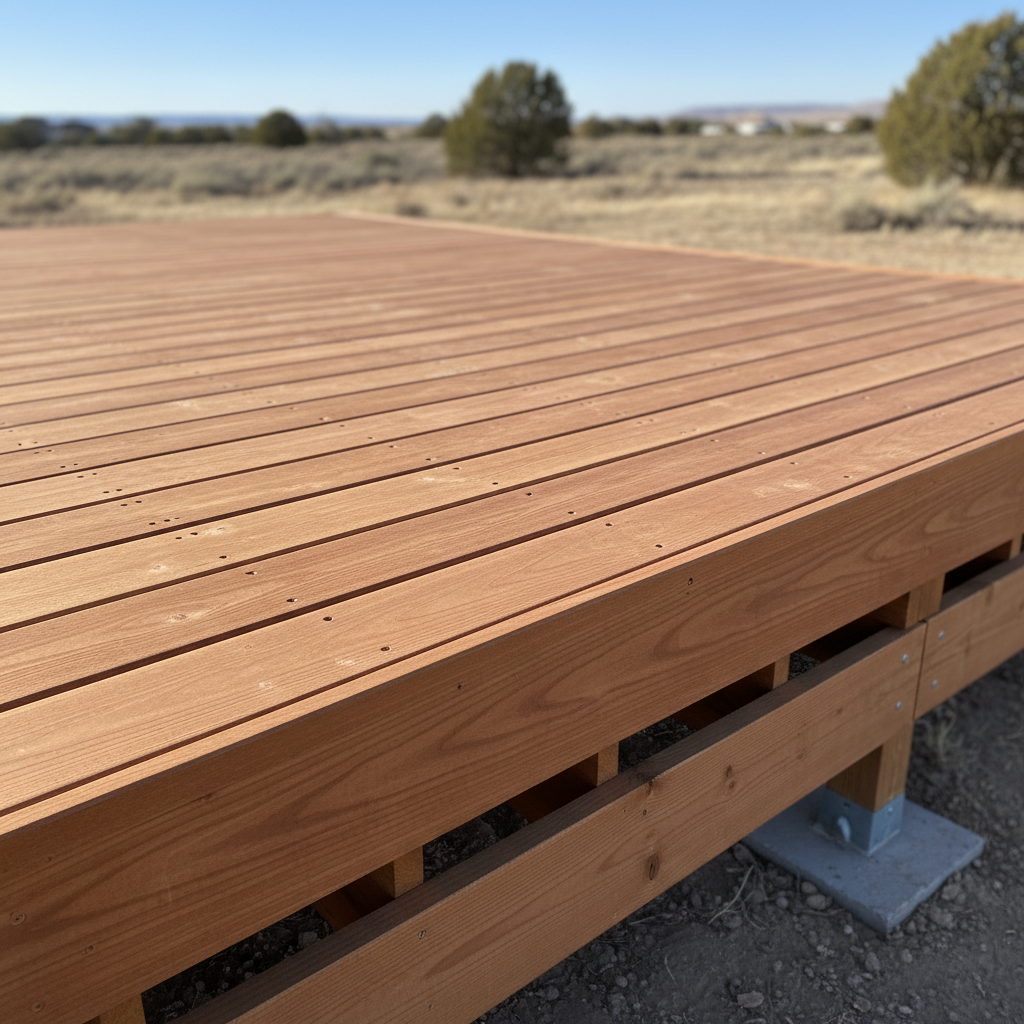
Thinking about adding a deck to your home right here in Roosevelt? What a great idea! A good deck can totally change how you use your outdoor space, whether you're planning summer BBQs, quiet mornings with a cup of coffee, or just watching the kids play. Over the years, I've heard a lot of the same questions from folks around town, so I figured it was time to lay out some honest answers. No fluff, just what you really need to know.
Do I actually need a permit for my new deck?
Absolutely, you do. This isn't just some suggestion, mind you; it's a requirement from Roosevelt City and Duchesne County. I know, permits can feel like a headache, but they're there for a reason: safety. Your deck needs to meet certain structural codes to make sure it's built right and, well, won't collapse. We're talking about things like proper footings, how the ledger board attaches, railing height, and load-bearing capacity. If you skip the permit, you could face fines, have to tear it down, or even worse, run into major problems if you ever try to sell your house. Plus, your insurance might not cover any issues if the deck wasn't permitted. Don't risk it. At Coastal Deck Solutions, we handle all the permit paperwork for you, so you don't have to stress about it.
What's the best material for a deck in our Roosevelt climate?
That's a big one, and it really depends on what you're looking for. For our climate, with those hot summers and sometimes brutal winters, you've got a couple of main choices: pressure-treated wood or composite decking.
- Pressure-Treated Wood: This is your classic, most budget-friendly option upfront. It's real wood, usually pine, treated to resist rot, decay, and insects. It's strong and looks natural. The downside? It needs regular maintenance – cleaning, staining, or sealing every year or two – to keep it looking good and prevent splintering or warping. If you're okay with the upkeep, it's a solid choice.
- Composite Decking: Brands like Trex are super popular for a reason. They're made from a mix of wood fibers and recycled plastics, so they're incredibly durable and low-maintenance. You won't be staining or sealing these. They resist fading, scratching, and mold way better than wood. The upfront cost is higher, but you save a ton on maintenance over the deck's lifespan. For places like the Indian Ridge neighborhood where folks want something that holds up without constant fuss, composite is often the way to go.
There's also cedar, which looks great and is naturally resistant to insects and rot, but it's softer and still needs maintenance, and it's usually more expensive than pressure-treated. I generally steer people towards composite for the long-term value and ease of living.
How long does a typical deck construction project take?
From start to finish, including design, permits, and actual build time, you're usually looking at anywhere from 4 to 8 weeks. The actual construction part, once we break ground, can be as quick as 1-2 weeks for a basic deck, or 3-4 weeks for something larger with multiple levels, complex railings, or built-in features. What slows things down the most is usually the permit process with the city, which can take a few weeks depending on their workload. Weather can also play a role; we can't pour concrete footings in a blizzard, for example. Planning ahead is key, especially if you want your deck ready for prime summer use.
Can I build a deck myself to save money?
You can, but I'd really caution you on this one. Building a deck isn't just about nailing boards together. It involves understanding structural engineering principles, local building codes, proper fastening techniques, and safety standards. If it's not done right, it can be dangerous. I've seen DIY decks that sag, have wobbly railings, or just don't stand up to our heavy snow loads. While you might save some money on labor upfront, you could end up spending a lot more down the line to fix mistakes, or worse, dealing with an injury. For something that needs to support people safely, it's usually best to hire experienced professionals who know the codes and have the right tools and insurance.
What kind of foundation do decks need in Roosevelt?
Given our varied soil conditions, from the sandy loam in some areas to the more clay-heavy spots, proper footings are crucial. We typically use concrete piers that extend below the frost line, which is usually around 30-36 inches deep here in Roosevelt. This prevents the deck posts from shifting, heaving, or settling as the ground freezes and thaws throughout the year. If your footings aren't deep enough or properly sized, your deck can become uneven, causing structural issues and making it unsafe. We always ensure our footings meet or exceed local code requirements to guarantee stability for decades to come.
What are some popular deck features or upgrades people are asking for?
People are definitely getting more creative with their outdoor spaces! Beyond the basic deck, here are a few things I'm seeing a lot of interest in:
- Built-in lighting: LEDs on stair risers, post caps, or under railings make a huge difference for evening ambiance and safety.
- Pergolas or Awnings: For shade during those scorching summer afternoons.
- Custom Railings: Beyond basic pickets, glass panels, cable railings, or unique metal designs add a modern touch and often improve views.
- Outdoor Kitchens/Grill Islands: Making your deck a true extension of your living space with dedicated cooking zones.
- Fire Pits: A gas fire pit can be a fantastic focal point for cooler evenings.
Think about how you want to use your deck, and we can help you design features that make it perfect for your lifestyle.
How much does a new deck cost?
This is the million-dollar question, and honestly, there's no single answer because every deck is custom. It depends on so many factors: the size, the material you choose (wood vs. composite), the complexity of the design (single level vs. multi-level, curves, etc.), the type of railing, the foundation requirements, and any special features like lighting or pergolas. Generally, you can expect costs to range from $30 to $70+ per square foot. A small, basic pressure-treated deck will be on the lower end, while a large, multi-level composite deck with all the bells and whistles will be on the higher end. The best way to get an accurate estimate is to give us a call at Coastal Deck Solutions. We can come out, look at your space, discuss your ideas, and give you a detailed quote tailored to your project.
What's the process like if I decide to work with you?
It's pretty straightforward. First, you reach out to us, and we'll schedule a time to come to your home. We'll talk about your vision, your budget, and how you plan to use your deck. We'll take measurements, assess the site, and answer any questions you have. Then, we'll put together a detailed proposal for you, including design options, material choices, and a clear cost breakdown. Once you approve, we handle the permits, order materials, and schedule the build. We keep you informed every step of the way, making sure the project stays on track and on budget. Our goal is to make the whole process as smooth and stress-free as possible, so you end up with a deck you'll love for years.