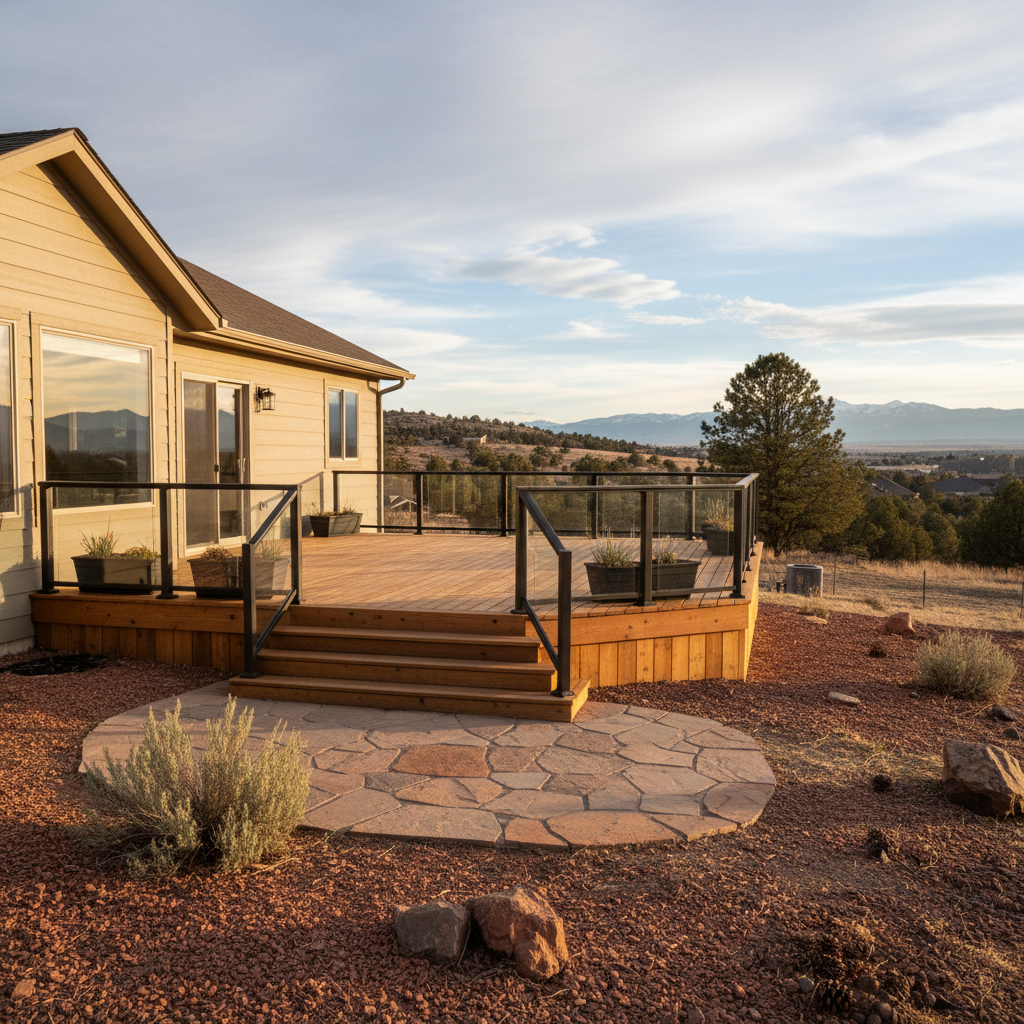
When's the best time to build a deck around here? Honestly, that's a question I get asked a lot. And it's not always as simple as you might think, especially with Roosevelt's wild weather swings. You've got to consider more than just when you want to use it; we need to think about the ground, the temperature, and what the sky's doing.
Picking the Right Season for Your Deck Project
Look, if you're picturing yourself grilling on a brand-new deck by July 4th, you can't be calling me in June. Planning is absolutely key. Here's my take on the seasons:
- Spring (April-May): This is prime time for planning and getting started. The ground's usually thawed out by then, and we haven't hit the really scorching summer heat yet. It's cool enough for the crew to work comfortably, and materials aren't expanding and contracting like crazy. Plus, you'll beat the summer rush.
- Summer (June-August): We can definitely build in the summer, but you'll want to schedule early. The heat can be brutal, especially out in areas like the Uintah Highlands where there's less shade. Concrete cures faster, which can be good, but it also means we're hustling to get things done before it sets too much. And materials like lumber? They can warp more easily if not stored and installed correctly in the intense sun.
- Fall (September-October): This is another fantastic window. Temperatures are dropping, the ground's still workable, and you often get those beautiful, clear days. It's a great time to get a deck built so it's ready for next spring's outdoor living. You might even find a bit more flexibility in scheduling, too.
- Winter (November-March): Building a deck in the dead of winter here? Not ideal, no. The ground freezes solid, making digging footings a nightmare. Plus, working with cold materials and in freezing temperatures isn't just uncomfortable; it can actually affect the quality of the build. We're talking about things like concrete not curing properly or wood becoming brittle. Best to avoid it if you can.
Weather Conditions That Mess With Deck Builds
Our climate isn't just about the seasons; it's about the daily conditions. Here are a few things we always watch out for:
- Frozen Ground: This is a big one. You just can't pour concrete footings into frozen ground and expect them to last. We need to get below the frost line, and if the ground's like concrete itself, well, it slows everything down and drives up costs.
- Heavy Rain or Snow: A light drizzle isn't usually a deal-breaker, but heavy rain or a sudden snowstorm can halt work. It makes the site muddy and unsafe, and it's not good for materials like lumber to sit exposed and soaking wet for too long.
- Extreme Heat: As I mentioned, summer heat means we're often working early mornings and late evenings to avoid the worst of it. It also means we have to be extra careful with how we handle and store materials.
- Wind: Roosevelt gets some serious wind sometimes. Trying to cut and install large deck boards or railings when it's gusting 30 mph isn't safe or efficient.
Protecting Your Deck Year-Round: Your Investment Matters
Once your deck is built, you can't just forget about it. Our climate, with its hot summers, cold winters, and dry air, is tough on outdoor structures. Here's what you need to do to keep your deck looking good and lasting long:
- Clean Regularly: Sweep off leaves, dirt, and debris. Power wash it once a year, but be careful not to use too high a pressure, especially on wood.
- Seal or Stain: If you've got a wood deck, this is non-negotiable. You need to reapply a quality sealant or stain every 1-3 years, depending on the product and how much sun it gets. This protects the wood from UV rays, moisture, and rot. Composite decks need less, but still benefit from cleaning.
- Inspect for Damage: At least twice a year, walk your deck. Look for loose boards, popped nails or screws, splinters, or signs of rot. Catching small problems early saves you big headaches later, trust me. Pay attention to the areas closest to the ground, where moisture can accumulate.
- Winter Prep: Before the snow flies, clear everything off your deck. Don't let heavy snow sit on it for weeks on end if you can help it. While decks are built to hold weight, prolonged heavy loads aren't great. Avoid using metal shovels that can scratch the surface.
At Coastal Deck Solutions, we build decks that are meant to stand up to Roosevelt's unique challenges. But even the best-built deck needs a little love from you to really go the distance. Think of it as protecting your outdoor living space, so you can enjoy it for years to come.