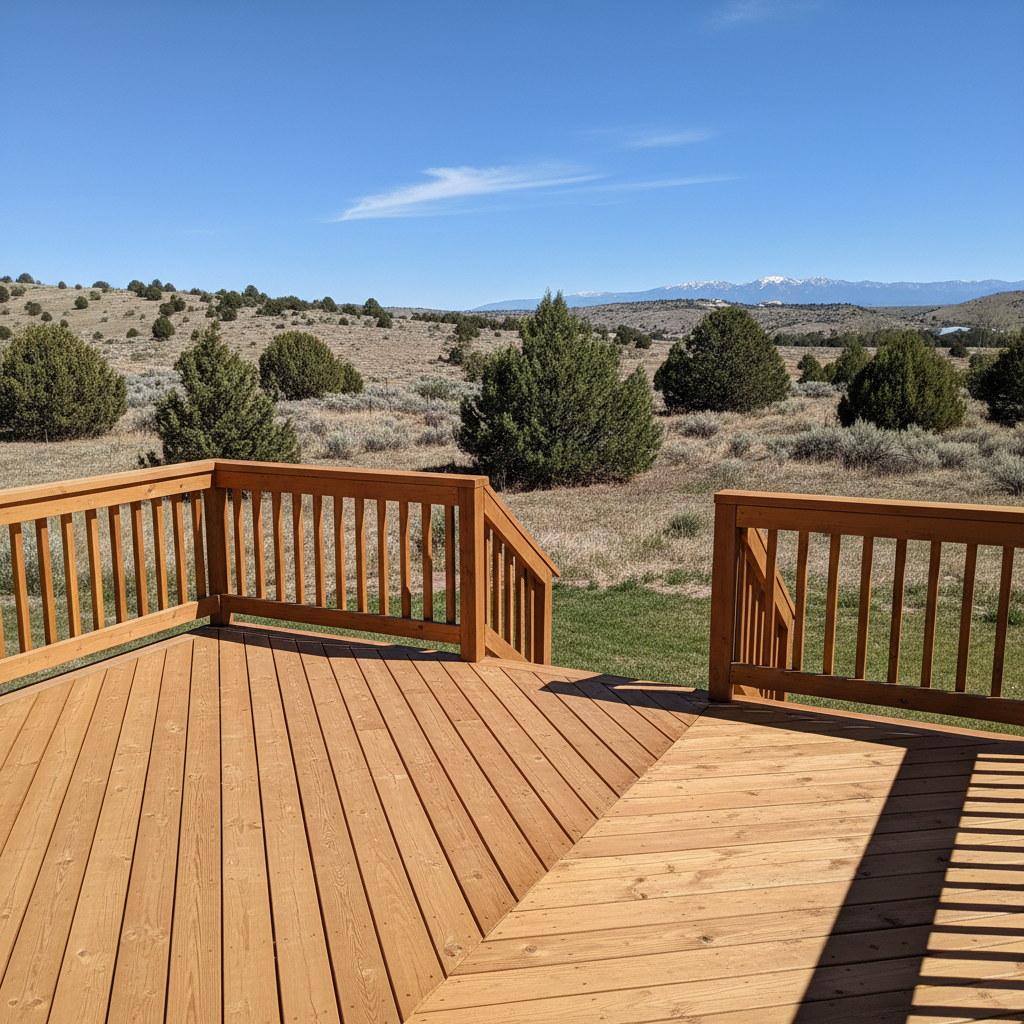
You've got a beautiful wood deck, and you want it to last. That's a smart move. Here in Roosevelt, our climate can be pretty brutal on outdoor structures. We get those scorching summer days, the dry air, and then the harsh winters with snow and ice. All that expanding and shrinking, plus constant UV exposure, really takes a toll on wood. So, how do you keep your deck from turning into a splintery mess after just a few years? It really comes down to consistent, smart maintenance.
Extending Your Deck's Lifespan: It's All About Protection
Think of your deck like your skin in the sun – it needs protection. The most important thing you can do to make your wood deck last longer is to keep it sealed and stained correctly. This isn't just about making it look good; it's a shield against moisture, UV rays, and even insect damage.
- Stain and Seal Regularly: For most wood decks, especially those made from pressure-treated pine or cedar, you're looking at re-staining and sealing every 2-3 years. If you've got a south-facing deck that bakes in the sun all day, or if it's under a lot of tree cover that keeps it damp, you might need to do it more often. The stain penetrates the wood, giving it color and UV protection, while the sealer creates a barrier against water. Seriously, don't skip this step. Water getting into the wood fibers is what leads to rot, warping, and cracking.
- Keep it Clean: Sounds simple, right? But dirt, pollen, and leaves can hold moisture against the wood, leading to mildew and rot. A good sweep or blow-off once a week, especially in the fall, goes a long way.
- Mind the Drainage: Make sure water isn't pooling anywhere on or around your deck. If you've got planters, make sure they're elevated so water can drain freely underneath. If your deck is close to the ground, ensure good airflow to prevent moisture buildup underneath.
Your Regular Deck Maintenance Checklist
Okay, so what does 'regular' actually look like? It's not a huge job if you stay on top of it.
- Spring Cleaning: After the snow melts and things start to dry out, give your deck a thorough cleaning. Use a deck cleaner specifically designed for wood. You can use a pressure washer, but be careful! Too much pressure can damage the wood fibers. Keep the nozzle moving and use a wide fan tip. Or, honestly, a good scrub brush and some elbow grease works just fine. Just rinse it really well afterwards.
- Inspect Annually: Once a year, usually after cleaning, do a full walk-around. Look for loose nails or screws – tighten them up. Check for splintering or cracking boards – sometimes you can sand these down, other times they might need replacing. Pay close attention to the ledger board where the deck attaches to your house, and the posts and joists underneath. Look for any signs of rot or insect activity.
- Clear Debris: Throughout the year, just keep an eye on things. Don't let leaves pile up in corners or between boards. If you've got a grill, clean up any grease spills immediately.
Warning Signs Your Deck Needs Help
You don't want to wait until your deck is falling apart to act. Here are some red flags:
- Soft Spots or Spongy Wood: If you step on a board and it feels soft or gives way, that's a serious sign of rot. Don't ignore it. This is a safety issue.
- Deep Cracks or Splintering: Small cracks are normal as wood ages, but deep, long cracks can compromise the structural integrity. Excessive splintering means the wood is drying out and losing its protective finish.
- Wobbly Railings or Posts: Give your railings a good shake. If they're loose, they're not doing their job. This is a major safety concern, especially if you have kids or pets.
- Mold, Mildew, or Algae Growth: A little green can be cleaned, but if it's persistent or widespread, it means moisture is being trapped, and the wood isn't drying out properly. This can lead to rot.
- Fading or Peeling Stain: This is a clear sign your protective finish is failing. The wood is now exposed to the elements and will start to deteriorate quickly.
- Pest Damage: Little holes, sawdust trails, or actual insects are a bad sign. Termites, carpenter ants, and other pests love to make a meal out of untreated or compromised wood.
When to Call a Professional
Look, some things you can handle yourself. Tightening a screw, cleaning, or even re-staining if you're handy. But there are times when it's just smarter, and safer, to call in someone who knows what they're doing.
- Structural Concerns: If you see significant rot in joists, posts, or the ledger board, or if your deck feels unstable or wobbly, don't try to DIY a fix. This requires professional assessment and repair to ensure it's safe.
- Extensive Damage: If multiple boards are rotted, or if you have widespread pest damage, it's a bigger job than just replacing a single board.
- Complex Repairs: Deck stairs are often the first thing to show wear and tear, and they can be tricky to repair correctly and safely.
- You're Unsure: If you're looking at something and just don't know if it's a big deal or not, get a professional opinion. It's better to be safe than sorry, especially when it comes to something you and your family spend time on.
Here at Coastal Deck Solutions, we've seen decks all over Roosevelt, from the older homes near Main Street to the newer builds out by the golf course, and we know what our local conditions do to wood. We can help you assess your deck's condition, recommend the right maintenance, or handle those bigger repairs. Don't let your deck fall into disrepair. A little attention now can save you a lot of headache and money down the road.